The first OSC Conference, ‘From Tender to Journal’, held at the National Museum of Scotland, created a rare and valuable moment in the offshore world, and marked the beginning of many more to come. Regulators, academics, lawyers, operators, contractors, and technology suppliers all gathered in one room, talking about the same problems and discovering just how interconnected their decisions are and recognising that the solutions require collaboration across the entire offshore ecosystem.
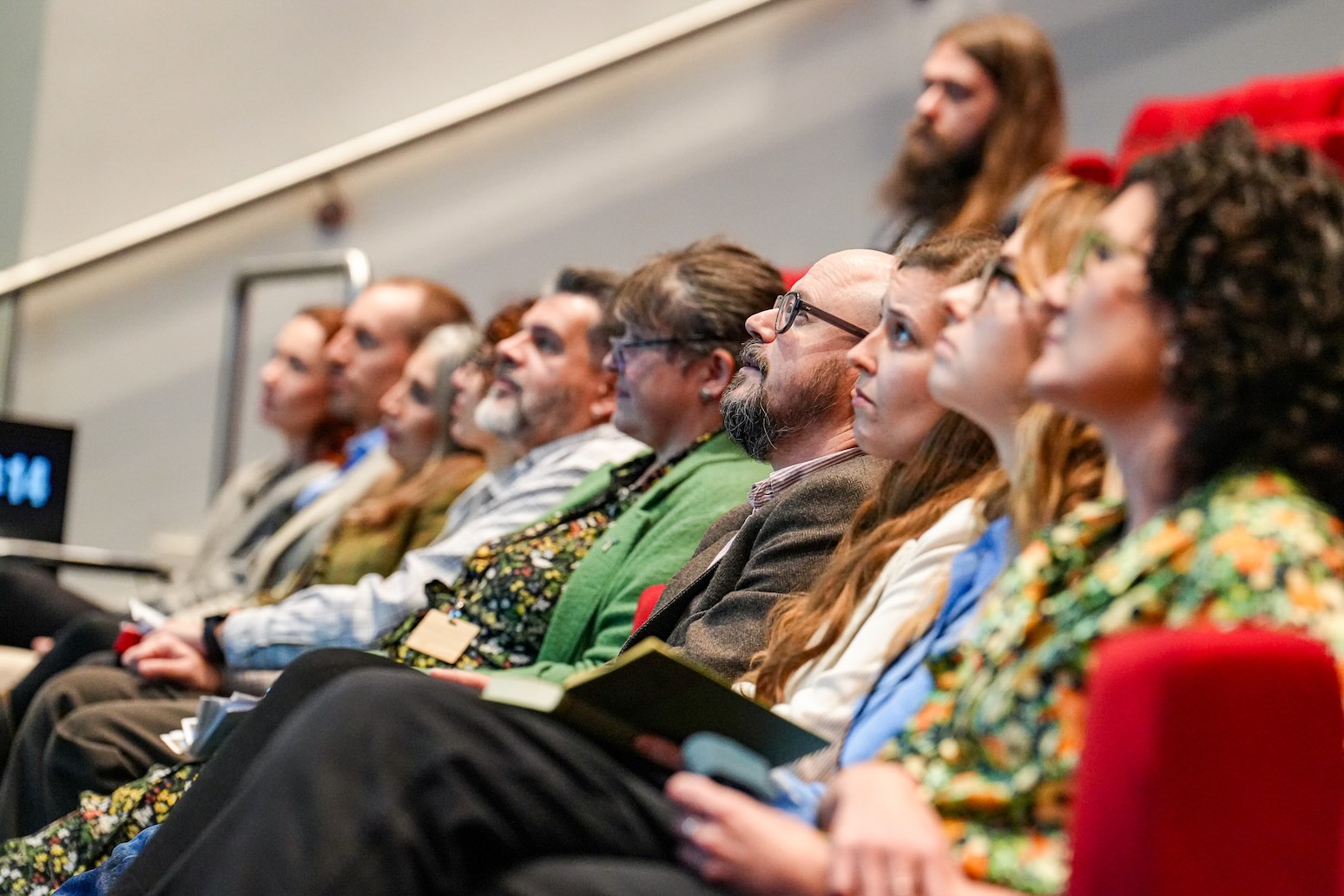
The event was highly distinctive not just because of the diversity of expertise in the room, but because of the openness of the discussion. Marine ecologists, acousticians, biodiversity specialists, and experts in decommissioning law presented the latest evidence on topics ranging from artificial reefs and marine net gain to underwater noise and marine mammal monitoring. Along with them were the people responsible for offshore delivery, navigating tight schedules, constrained budgets and changing weather, all while meeting complex environmental expectations.
A few themes resonated strongly across the day. One was the strategic value of publishing peer-reviewed science based on industry data, when confidentiality allows. Specialists agreed that transparent, credible evidence reduces project risk and strengthens consenting processes, while also advancing global understanding of how offshore activities interact with marine ecosystems.
Another major theme centred on working with, rather than against, the marine environment. Discussions around rigs-to-reefs and emerging approaches to marine net gain showed how restoration and industry development should not be opposing forces. Instead, they can reinforce each other when built on solid scientific foundations and realistic operational planning. Additionally, underwater noise and marine mammals remained a focal point throughout, highlighting how rapidly acoustic science is advancing and how important it is that guidance and licensing conditions should evolve alongside.
Governance and decommissioning considerations added an additional layer to the conversation. Legal and policy experts explored how responsibilities are shared, how international frameworks such as OSPAR shape national practice, and where greater flexibility or clarity might be needed. These discussions gave industry specialists a more rounded view of why certain licensing decisions are made and how evidence could help shape future policy.
The conference also provided the first public demonstrations of OSC’s next-generation Passive Acoustic Monitoring (PAM) technologies, developed collaboratively by marine scientists and engineers. Designed to improve both scientific output and operational reliability, these systems attracted significant interest from operators and contractors.
The conference also highlighted OSC’s ongoing collaboration with Ashtead Technology, a key sponsor of the event. Ashtead Technology’s partnership with OSC reinforces the shared commitment to advancing reliable, science-driven monitoring solutions across the industry.
Just as important as the formal sessions were the opportunities for informal exchange. Panel Q&As, breaks, and evening discussions allowed participants to test ideas, challenge assumptions, and discover unexpected points of alignment. It was made clear that the greatest value of the event was not any single presentation, but the rare chance to hear, directly and unfiltered, how other sectors think, operate, and make decisions.
The day concluded with a black-tie dinner in the National Museum of Scotland’s Grand Gallery, celebrating the Danish-Greek-Scottish heritage of OSC. With excellent food and live entertainment (jazz and classical), the evening offered a counterpoint to the technical discussions, a reminder that collaboration grows strongest when people connect as people, not just as professionals.
The 2025 Conference highlighted OSC’s belief that progress in marine environmental management requires more than good science alone. It depends on open dialogue, shared understanding, and a willingness from all sides to engage honestly with perspectives that are sometimes challenging or unfamiliar. Bringing such a wide cross-section of the offshore community into one room created exactly the environment needed for that progress to happen.
For more information about the conference, please click the link below: https://oscconference2025.events.kdmeventsportal.co.uk/
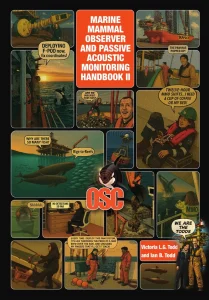
Launch of the Marine Mammal Observer & Passive Acoustic Monitoring Handbook II
At the ‘From Tender to Journal’ Conference, OSC also released the second edition of the Marine Mammal Observer & Passive Acoustic Monitoring Handbook, building on the foundations laid by the first edition published in 2015. The second edition reflects on decades of practical field experience, and recent scientific advances, offering a revised guidance on MMO and PAM practises. With clear explanations, and new material reflecting lessons learned from real offshore projects, the second edition provides a comprehensive reference for MMOs, PAM Operators, Regulators, and Contractors seeking to deliver effective and evidence-based marine mammal mitigation.Further updates, publications and training opportunities will be shared on www.osc.co.uk/news/.